Websites
Websites
A website is your online home base.
It’s where people go after they find you on Google, click your ad, or see you on Facebook or Instagram. If your website is confusing, slow, or hard to use, people leave — and you lose the job.
Think of it like this:
Your website is your digital shopfront. If someone walks past and can’t instantly tell what you do or how to contact you, they walk away.
What a Website’s Job Actually Is
A website has one main job: turn visitors into enquiries.
That means phone calls, contact forms, quote requests, or bookings. A website is not there to look fancy. It’s not about clever wording or flashy design. It’s about being clear, simple, and easy.
Within the first 5–10 seconds, your website must answer:
What do you do?
Who do you do it for?
Where do you operate?
How do I contact you?
If someone has to think or scroll too much, they’re gone.
What Makes a Good Website
Clear messaging
Your homepage should clearly say what service you provide and where.
Example: “Property Maintenance Services – Northern Beaches”
No guessing. No vague wording.
Easy contact
Your phone number and contact button should be easy to find and easy to tap on a phone. People should never struggle to contact you.
Fast and mobile-friendly
Most people use their phones. If your site loads slowly or looks broken on mobile, people leave. Google also ranks slow websites lower.
Trust
People don’t trust random businesses online. A good website builds trust with: Photos of real work, clear service descriptions, reviews or testimonials, local area mentions
Trust is what turns visitors into enquiries.
How Websites Work With Marketing
Websites don’t work alone.
SEO brings people to your website for free over time
Google Ads send people to your website instantly
Meta Ads warm people up and remind them you exist, then send them to your website
If your website is bad, all of that traffic is wasted.
A bad website makes ads more expensive and SEO less effective. A good website makes everything work better.
In Simple Terms
A website should:
Explain what you do
Build trust
Make it easy to contact you
If it doesn’t do those three things, it’s not working — no matter how good it looks.
A website is your online home base.
It’s where people go after they find you on Google, click your ad, or see you on Facebook or Instagram. If your website is confusing, slow, or hard to use, people leave — and you lose the job.
Think of it like this:
Your website is your digital shopfront. If someone walks past and can’t instantly tell what you do or how to contact you, they walk away.
What a Website’s Job Actually Is
A website has one main job: turn visitors into enquiries.
That means phone calls, contact forms, quote requests, or bookings. A website is not there to look fancy. It’s not about clever wording or flashy design. It’s about being clear, simple, and easy.
Within the first 5–10 seconds, your website must answer:
What do you do?
Who do you do it for?
Where do you operate?
How do I contact you?
If someone has to think or scroll too much, they’re gone.
What Makes a Good Website
Clear messaging
Your homepage should clearly say what service you provide and where.
Example: “Property Maintenance Services – Northern Beaches”
No guessing. No vague wording.
Easy contact
Your phone number and contact button should be easy to find and easy to tap on a phone. People should never struggle to contact you.
Fast and mobile-friendly
Most people use their phones. If your site loads slowly or looks broken on mobile, people leave. Google also ranks slow websites lower.
Trust
People don’t trust random businesses online. A good website builds trust with: Photos of real work, clear service descriptions, reviews or testimonials, local area mentions
Trust is what turns visitors into enquiries.
How Websites Work With Marketing
Websites don’t work alone.
SEO brings people to your website for free over time
Google Ads send people to your website instantly
Meta Ads warm people up and remind them you exist, then send them to your website
If your website is bad, all of that traffic is wasted.
A bad website makes ads more expensive and SEO less effective. A good website makes everything work better.
In Simple Terms
A website should:
Explain what you do
Build trust
Make it easy to contact you
If it doesn’t do those three things, it’s not working — no matter how good it looks.
Examples
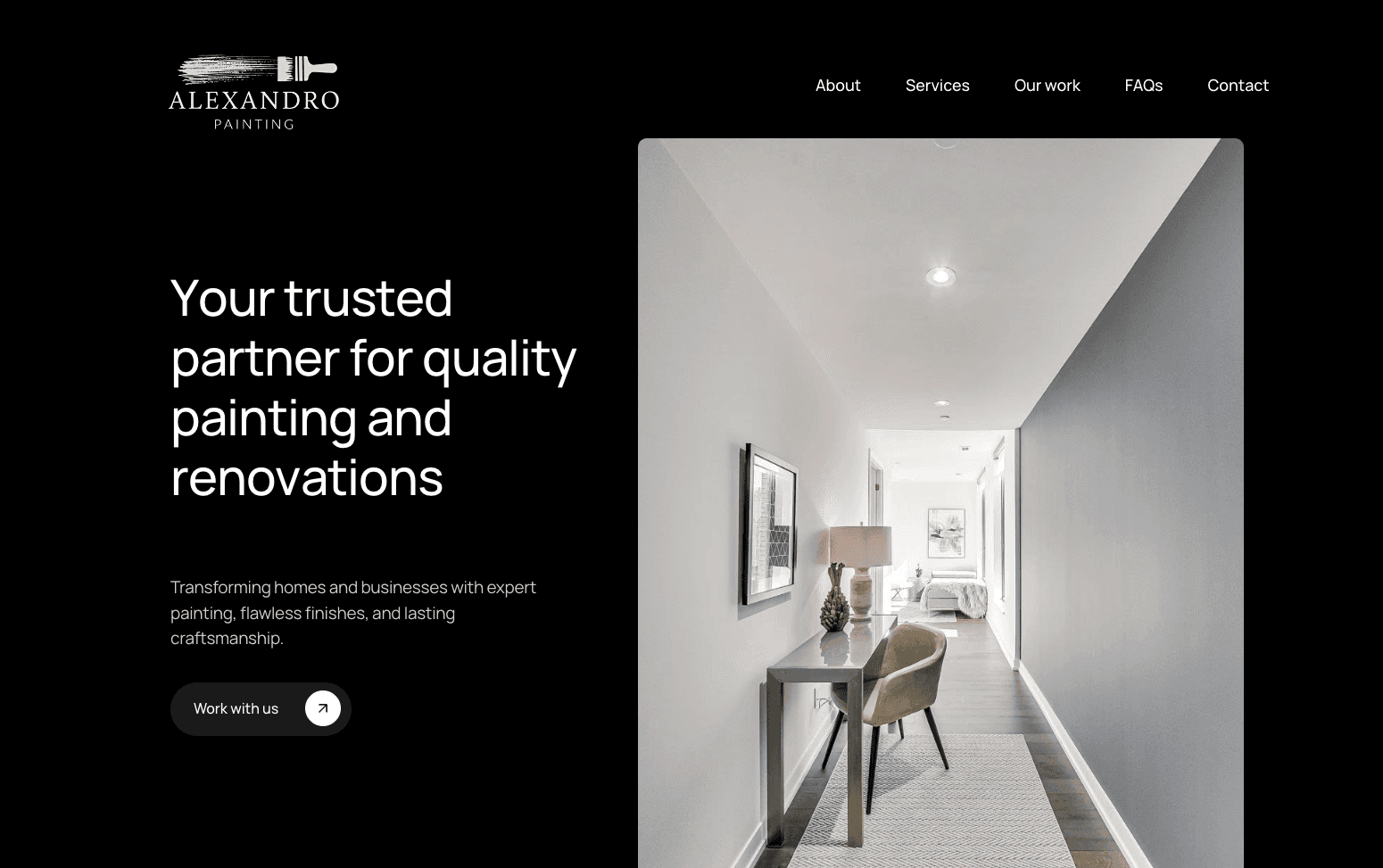
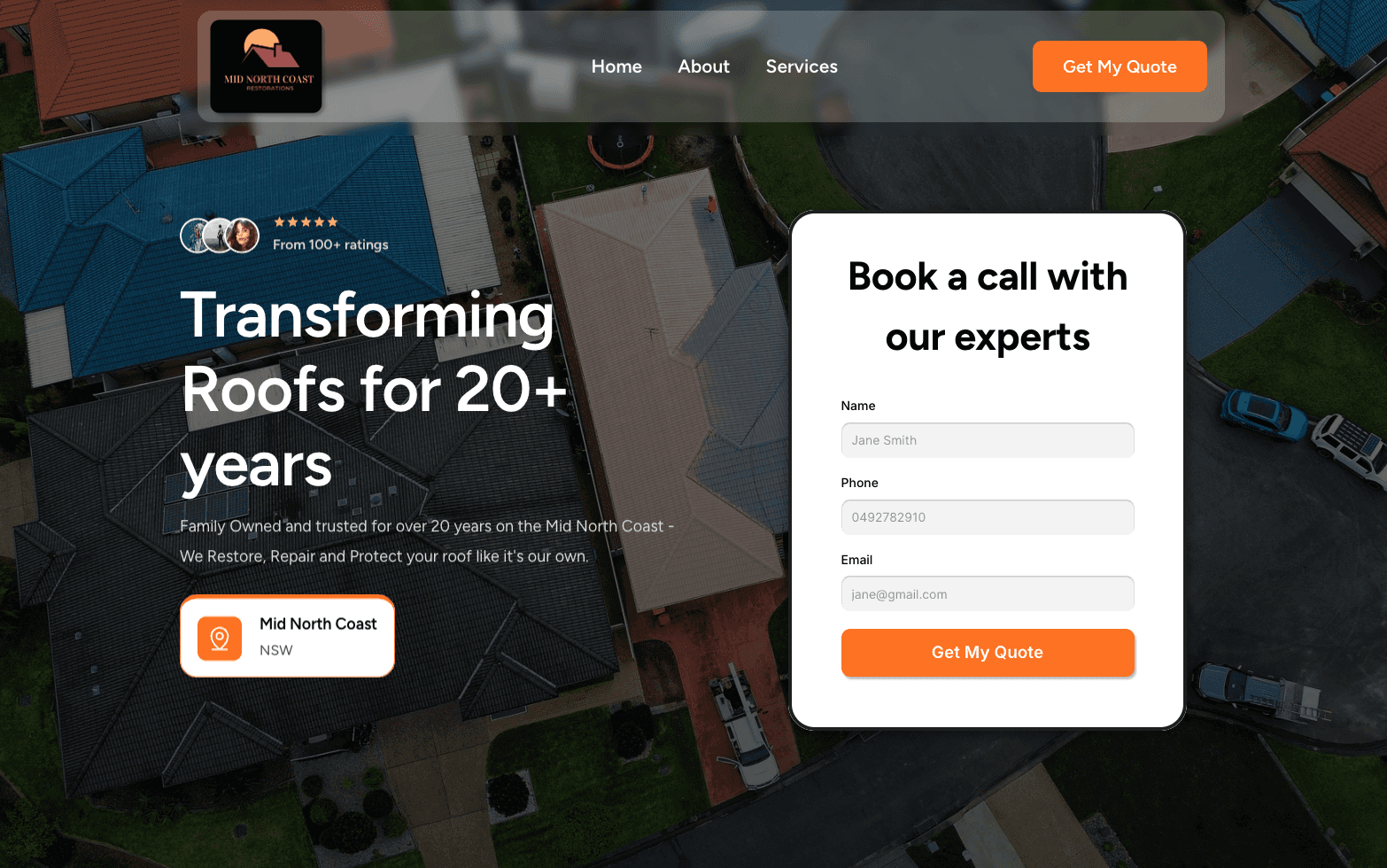
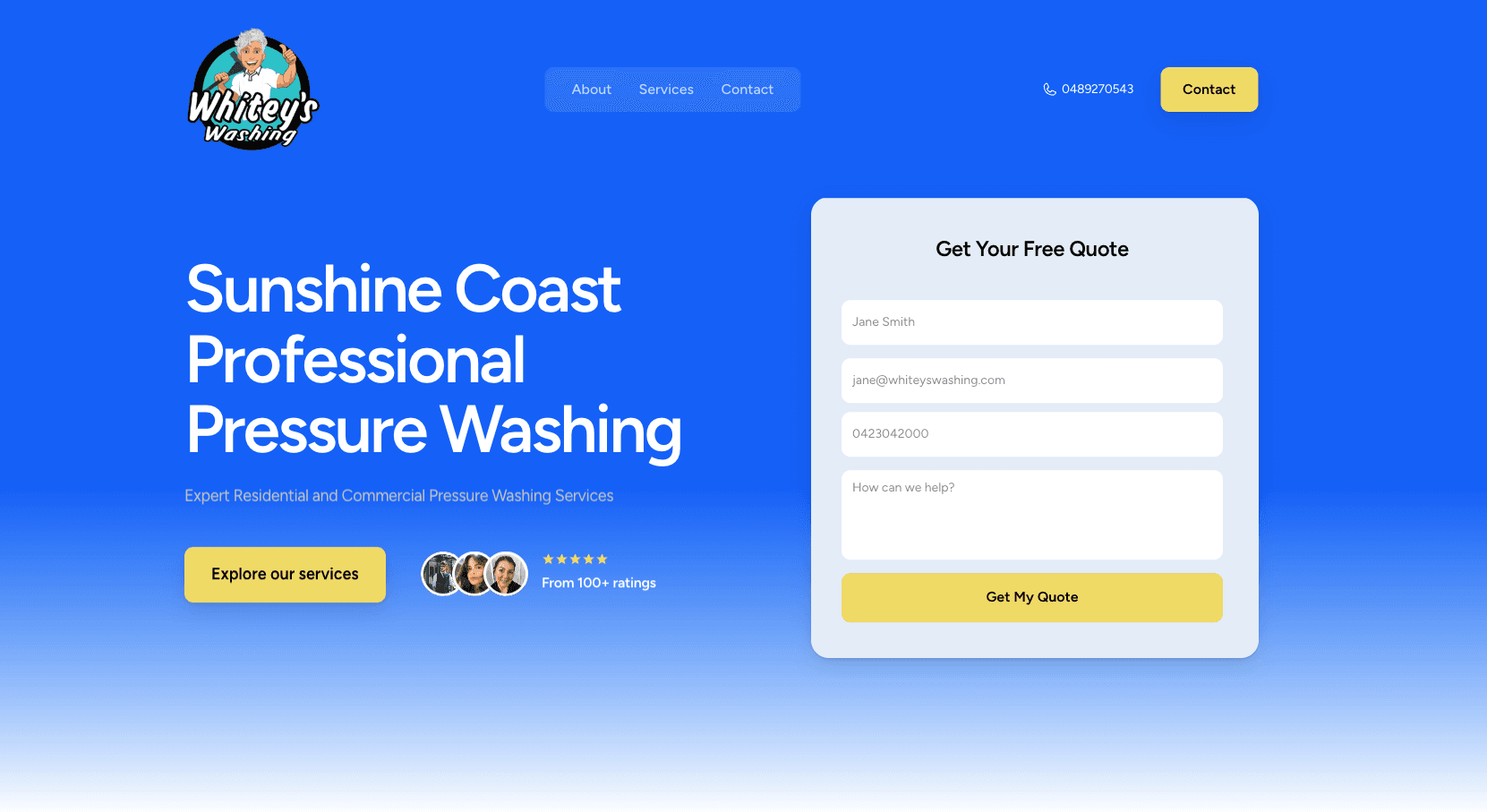
Book A Call
Book A Call
Book A Call
Get in touch
Talk with the team